[List of confirmed events with respective GBR observations and images details with our descriptions and measurements to go here]
How did we come to know about the GBR, the photos taken and to request reviews?
- Introduction - Brief background on first photographic observations in 2013, location, and appearance
- Early Observations - Details on initial photographs, number of occurrences, locations, appearance
- Amassing Evidence - Growing number of photographs by an increasing observer pool, first attempts to triangulate position
- Height Estimates - Triangulation methods used to estimate immense vertical scale
- Mapping Efforts - Use of star field matching and magnetometer projections to map orientation and scale
- Timelapse Analysis - Insights from timelapse sequences showing dynamics and duration
- Correlation Analysis - Early attempts to correlate occurrences with geomagnetic activity, substorms, solar wind conditions
- Organized Study - Formation of research team to formally study March 2017 event and others
- Ongoing Observations - Recent sightings and data collected by expanding observer network
- Current Research - Status of data analysis, modelling, and preparation of publications
- Future Outlook - Plans for continued study, monitoring, and science output
- Conclusion - Summary of current state of knowledge and key remaining questions
Participate in our GBR study
Your contributions may be very important!
We are studying an especially large structure photographed infrequently in the night sky from mid-latitudes in both hemispheres and looking for contributions. If you have images with a remarkable feature that resembles those shown on this website, hopefully you are willing to share them for research.
Are you finding photos with a large faint blue feature - especially with aurora is minimal?
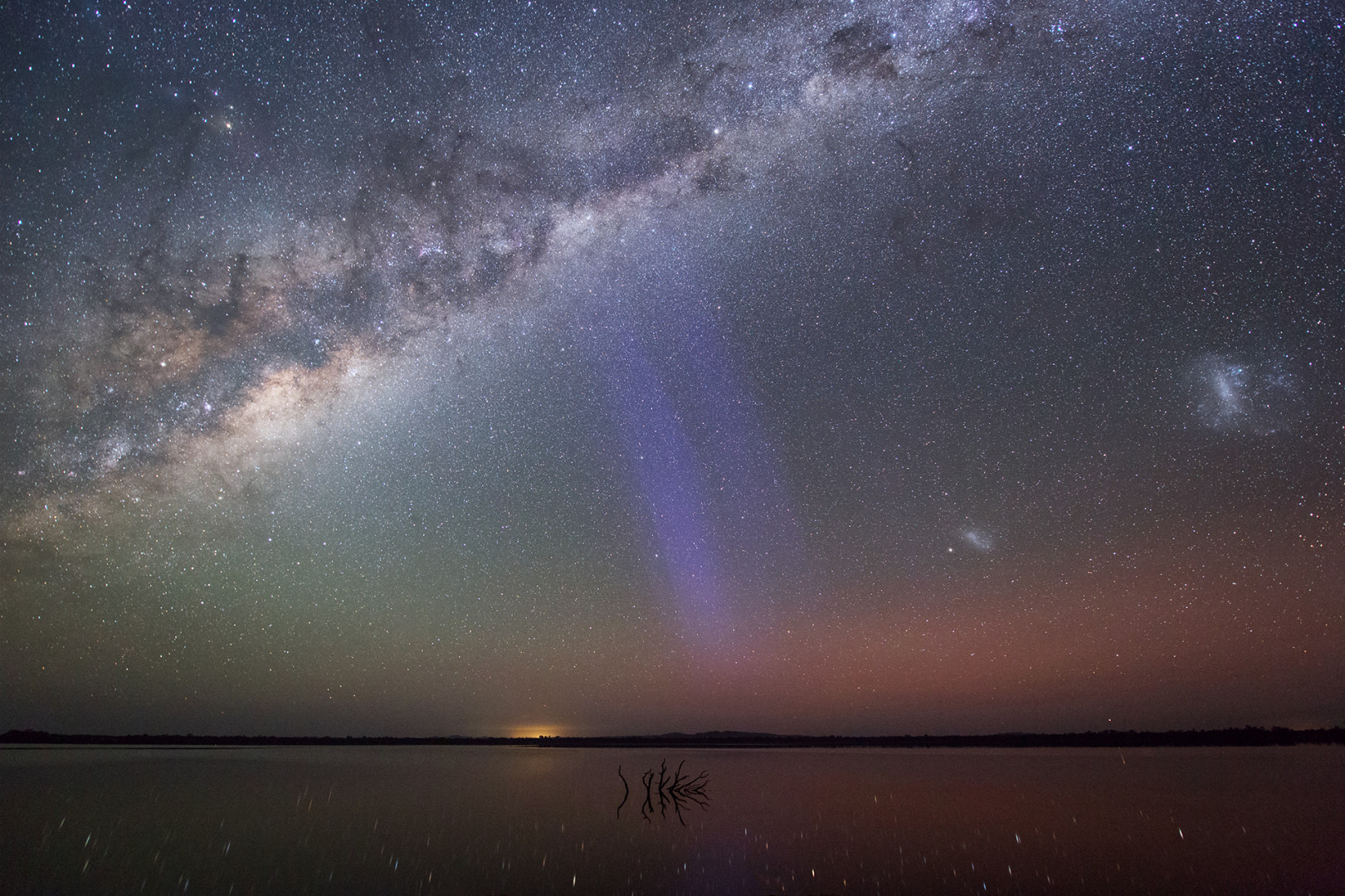
Photoshop enhanced: simple curves, saturation enhancement and noise reduction.
Credit: Colin Legg
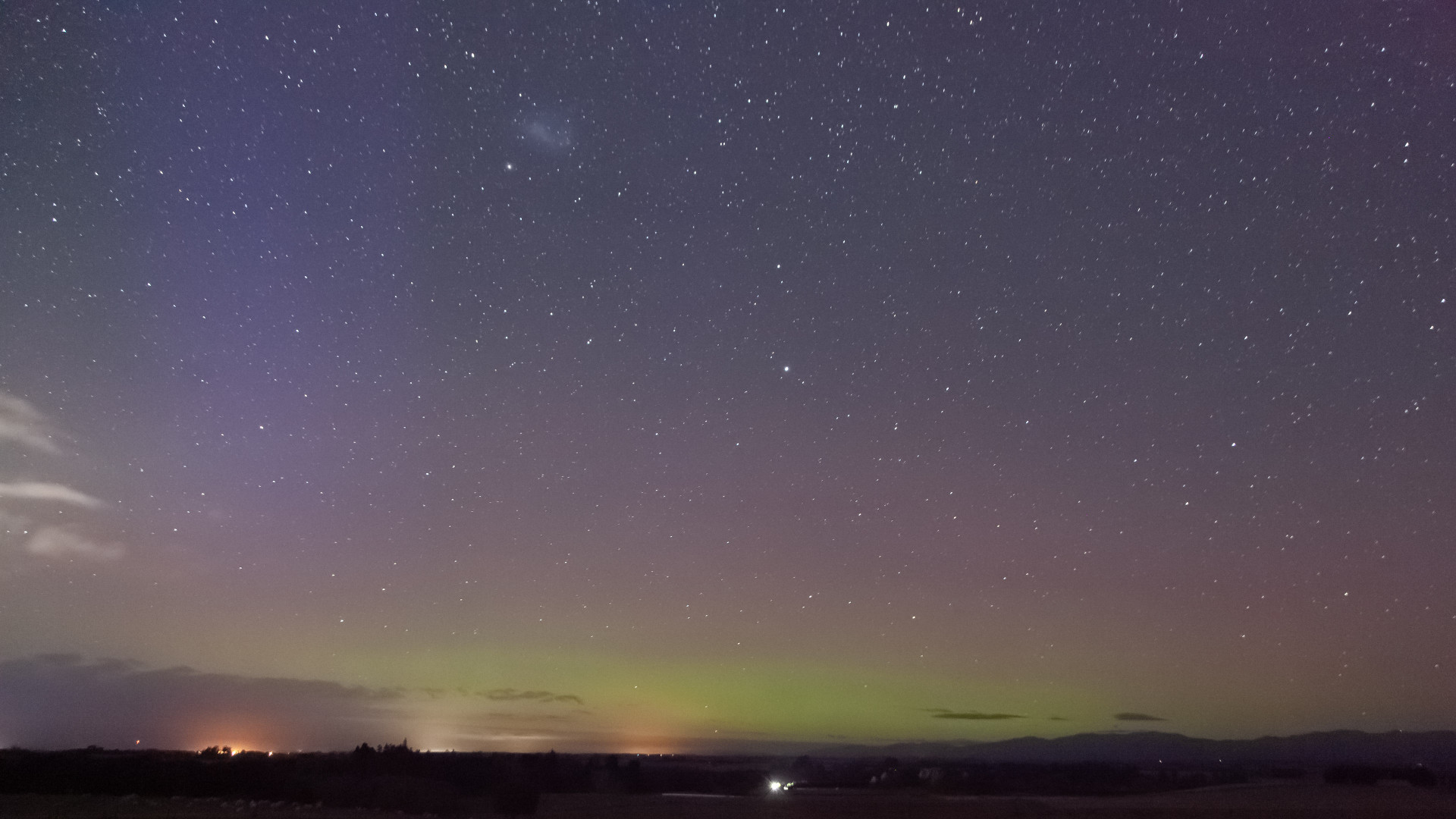
Credit: Geoff Cloake
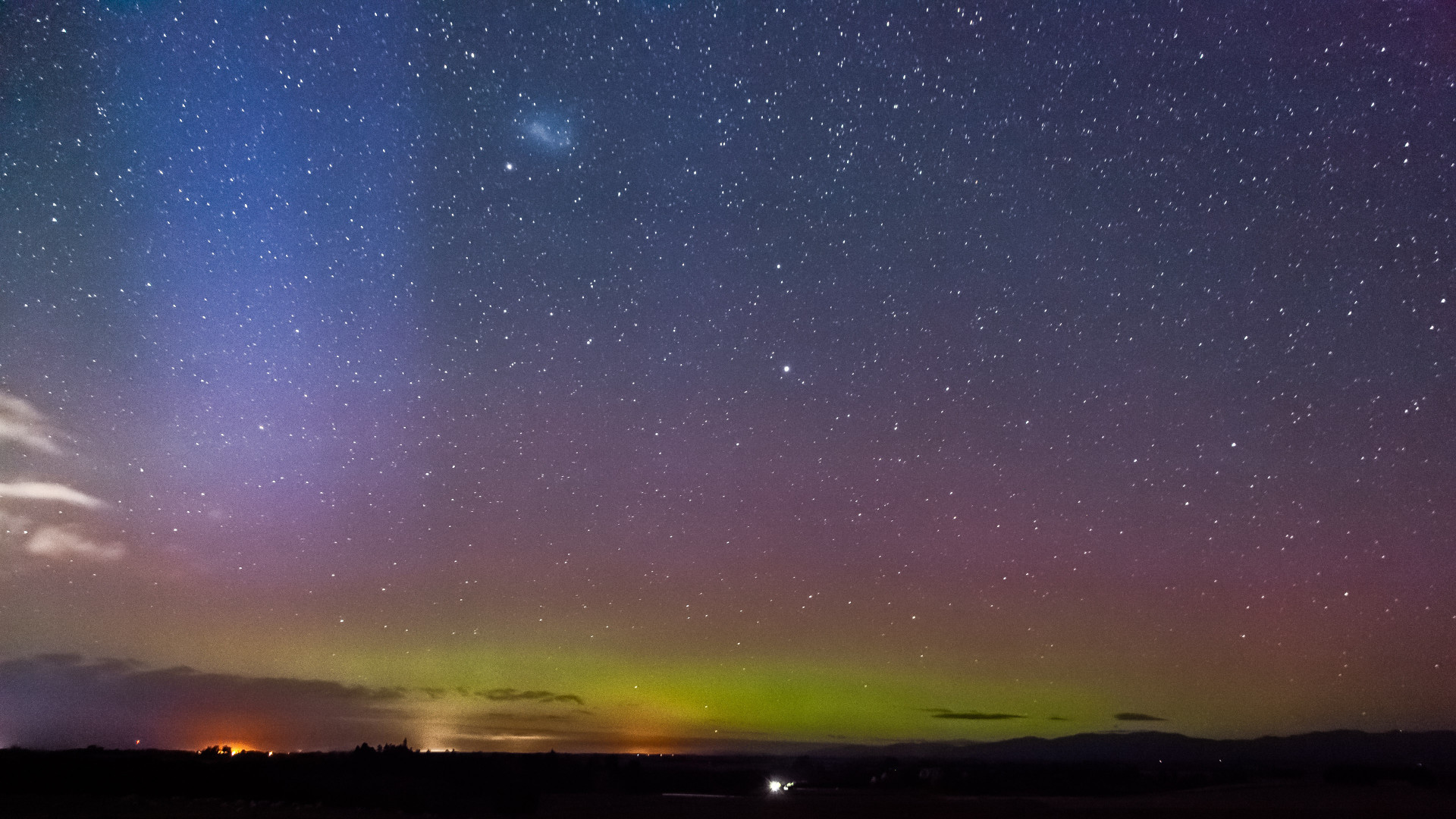
What makes a suitable photo?
There now many 'how-tos' on photographing night sky. The ones set out on Aurora Facebook groups are especially useful. In the first instance, we recommend following these Facebook Pages which our group is associated with:
Aurora Australis (NZ) has extensive files here
:Aurora Australis Tasmania With some more good files here
Photography for study is another step up, requiring precise information such as time an location. Also original images, particularly in RAW format are often critical for our proper examination.
[more info here...
We respect owners rights and need to control their images
Submissions are confidential. Images and information will not be used for study or shared publicly without owner consent.
Join in the discovery
Please advise of your contributions, along with an example image by completing our submission form and we will contact you about best way to send more. We are also keen to discuss any items of interest..
We plan to submit findings to an open access scientific journal. If published, the paper will be freely available online for anyone to access. Images used will be credited to owners and such owners may choose to be listed as co-authors. Anonaminiity would also be respected.
If you choose, notifications and progress reports will be provided throughout the study and publication.
Please make your submission here
Need for integrity and confidentiality
To maintain scientific integrity during the process. we ask contributors to refrain from publicly sharing details about the study until papers have completed peer review and been accepted for publication.
Please reach out with any questions to any of the study group members!
What do we know so far:
Stage 1: Evidence of existence - event documentation and measurements
Stage 2: Hypothesis and evidence of causes - data, modelling and analysis, thesis